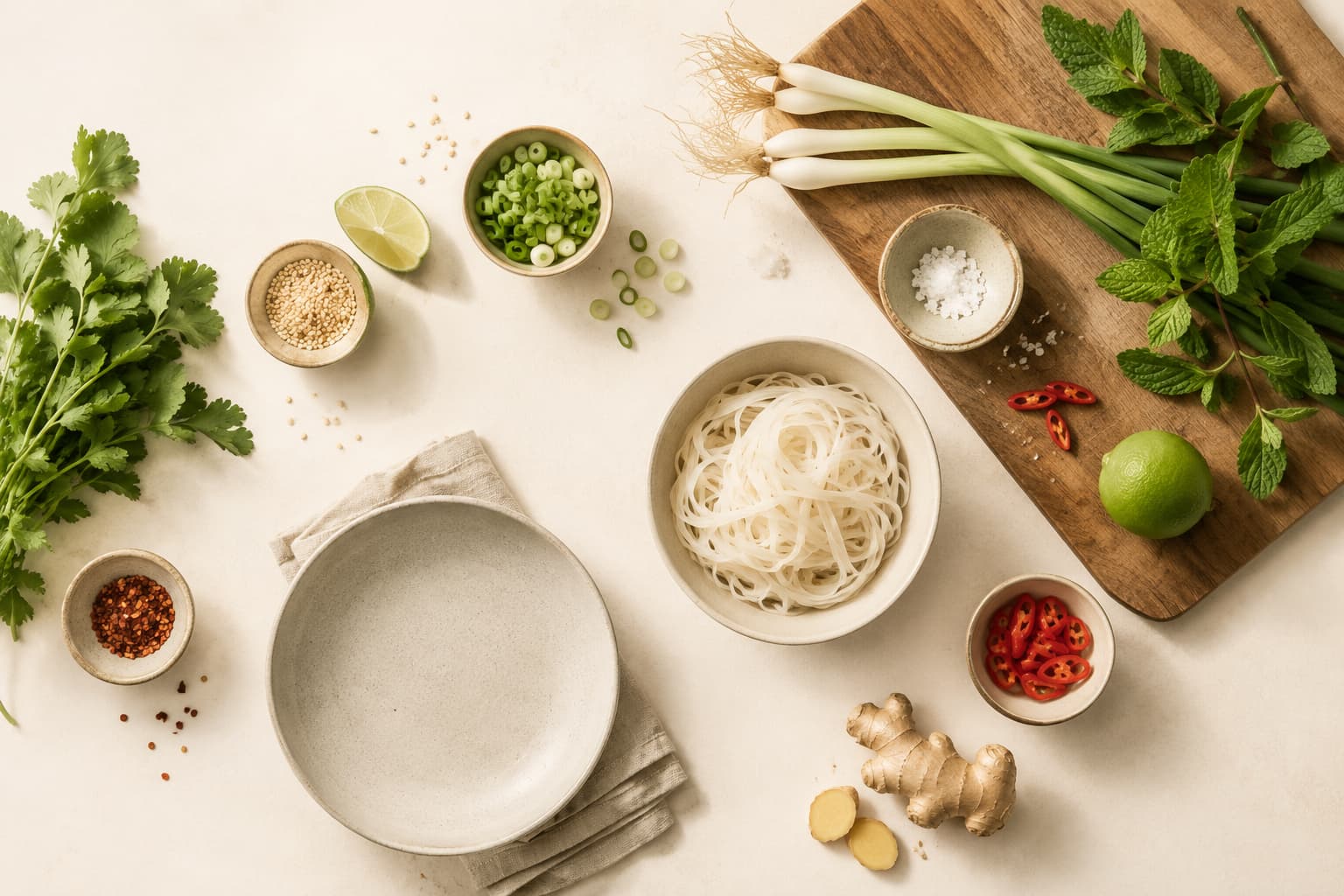
Vietnamese Soup Recipes bring warmth, freshness, and balance into everyday home cooking. A good bowl often begins with broth, but it does not end there. Herbs add brightness. Noodles create comfort. Aromatics build depth. Lime, chili, and sauces help each person adjust the final flavor. These soups feel generous without needing heavy ingredients. They can be slow and soothing or quick and weeknight-friendly. Planning matters because small steps shape the final bowl. Simple Checklist for Successful Vegetable Fermentation can still support organized kitchen prep. A clear checklist mindset helps home cooks move through ingredients, timing, and finishing touches with less stress.
Vietnamese Soup Recipes often work because they balance richness with freshness. Broth provides warmth and depth. Herbs bring lift. Noodles soften the bowl. Vegetables add texture. Acid keeps flavors lively. Heat adds energy without overwhelming everything. This balance makes the soups feel satisfying but not heavy. It also allows each bowl to feel personal. One person may add more lime. Another may prefer extra herbs. A third may want chili oil. A practical home cooking checklist helps keep those elements ready. The bowl tastes better when the finishing station feels organized.
Vietnamese Soup Recipes can fit many cooking styles. Pho works well when you want deep broth and fragrant spices. Bun bo Hue suits bold, spicy flavors. Hu tieu can feel lighter and flexible. Chicken noodle soups work beautifully for family meals. Vegetable-forward bowls can feel bright and simple. Choose a recipe based on time, ingredients, and comfort level. Beginners may prefer a streamlined broth. Experienced cooks may enjoy simmering bones, spices, and aromatics. A Vietnamese noodle soup guide helps compare options before shopping. Better planning makes the first pot easier.
Broth gives Vietnamese soups their foundation. Ginger, onion, star anise, cinnamon, cloves, and coriander can create warmth. Chicken, beef, pork, or vegetables can shape the base. Toasting spices before simmering can deepen aroma. Charring aromatics can add gentle smokiness. Skimming helps keep broth clearer. Simmering slowly allows flavors to settle. Seasoning should happen gradually. Taste before adding more salt or fish sauce. A clear aromatic broth planning routine prevents rushed decisions. Good broth tastes layered before noodles or herbs enter the bowl.
Vietnamese Soup Recipes shine when herbs are treated as essential, not decorative. Thai basil adds perfume. Cilantro brings brightness. Mint gives coolness. Green onion adds sharp freshness. Culantro can add deeper herbal notes when available. Rinse herbs gently and dry them well. Keep them loose, fresh, and ready for serving. Do not bury delicate herbs too early in hot broth. Add them at the table or just before eating. A fresh herb prep habit keeps bowls vivid. Fresh herbs can change a simple soup into something memorable.
Noodles affect texture as much as flavor. Rice noodles are common in many Vietnamese soups. Thin noodles feel delicate. Wider noodles feel silky and substantial. Some soups use thicker round noodles for a chewier bite. Cook noodles separately when possible. This keeps broth clearer and prevents soggy texture. Toppings can include sliced onion, bean sprouts, herbs, lime, chili, and sauces. Proteins should be sliced neatly for easy eating. A rice noodle cooking tips approach helps protect the final bowl. Texture matters because soup should feel lively from first bite to last.
Vietnamese Soup Recipes can become weeknight-friendly with smart shortcuts. Prepare broth ahead and chill it. Wash herbs earlier in the day. Keep noodles, sprouts, lime, and sauces ready. Use leftover chicken or vegetables when the recipe allows. Build a fast broth with ginger, onion, and quality stock when time is short. Keep toppings simple. A weeknight bowl does not need every possible garnish. It needs contrast, warmth, and freshness. A simple soup prep checklist makes quick assembly easier. Organized prep protects flavor when the schedule feels tight.
Serving is where the soup becomes personal. Warm the bowls if possible. Add cooked noodles first. Arrange protein neatly. Ladle hot broth over the top. Set herbs, lime, sprouts, and chili nearby. Let each person finish their bowl. This style of serving feels interactive and generous. It also keeps delicate ingredients fresher. Small bowls of sauces can help guests adjust flavor. Avoid overcrowding the bowl before the broth goes in. Soup garnish ideas can make the table feel inviting. A finished bowl should look abundant but still clean.
Vietnamese Soup Recipes become easier when you repeat a clear process. Choose one soup style. Plan the broth. Prepare noodles separately. Wash herbs. Set toppings in small bowls. Taste the broth before serving. Adjust salt, sweetness, acid, and heat with care. Notice what your household enjoys most. Keep notes for the next pot. For more support, connect this article with pho planning at home, Vietnamese noodle soup ideas, and broth-building guidance. Add pho meal prep, broth seasoning tips, Vietnamese comfort food, and homemade soup bowls when planning future meals. Simple Checklist for Successful Vegetable Fermentation gives home cooks a useful model for organized, confident kitchen projects.

Leave a comment