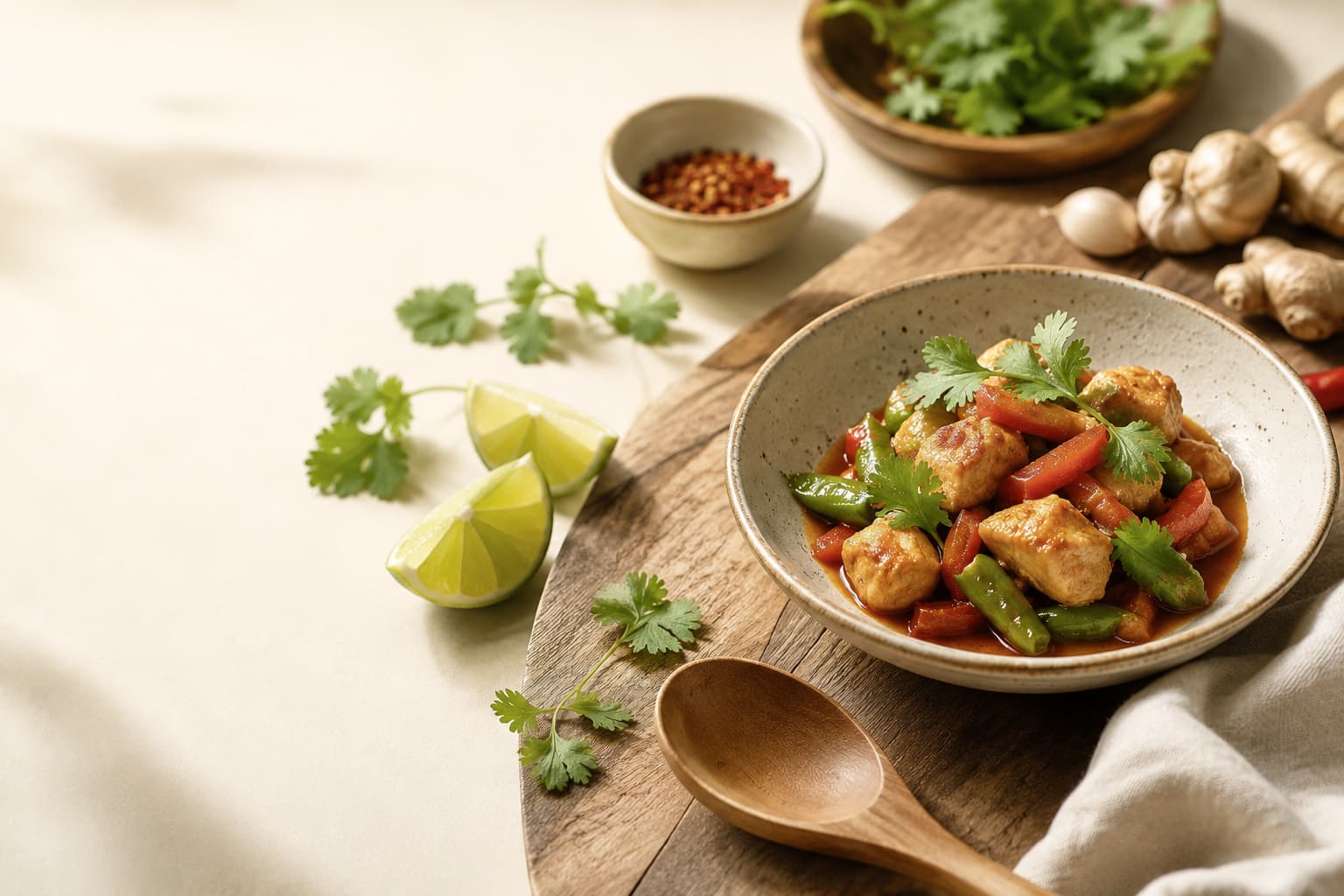
Easy Pho Broth Tips can help home cooks build a better bowl before the noodles even appear. Broth carries the aroma, warmth, and depth that make pho memorable. It should taste fragrant, savory, gently sweet, and clean. Many beginners worry that broth requires complicated restaurant methods. In reality, small organized steps make the biggest difference. Choose good ingredients. Toast spices carefully. Char aromatics. Simmer gently. Season gradually. Taste often. Simple Checklist for Successful Vegetable Fermentation shows how a checklist can guide detailed kitchen work. That same approach helps broth become more consistent.
Easy Pho Broth Tips matter because broth is the foundation of the entire bowl. Noodles, herbs, sauces, and toppings can improve a meal, but they cannot fully fix weak broth. A strong broth should smell inviting before serving. It should taste balanced before lime, chili, or hoisin enter the bowl. This gives each garnish something to support. Broth also sets the mood of the meal. Light broth feels soothing. Rich broth feels deeply comforting. A simple home cooking checklist helps cooks give broth the attention it deserves. Good pho begins in the pot.
Easy Pho Broth Tips often begin with onion and ginger. Charring these aromatics adds warmth and depth. The surface should darken, but the pieces should not taste burnt. A dry skillet, broiler, or open flame can work. Rinse away overly blackened bits if needed. Add aromatics to the broth early so they can infuse slowly. Garlic is optional and should stay balanced. Too much can overpower the cleaner pho aroma. A focused aromatic broth planning routine keeps this step controlled. Aromatics should support the broth, not dominate it.
Spices give pho its recognizable fragrance. Star anise, cinnamon, cloves, coriander, and fennel are common choices. Toast them briefly to release aroma. Avoid burning them because bitterness spreads quickly. Use a spice bag or strainer if you want easier removal. More spice is not always better. Too much star anise can taste medicinal. Too many cloves can become sharp. Cinnamon should add warmth, not sweetness alone. Taste the broth as it develops. Broth seasoning tips help prevent heavy-handed choices. Pho broth works best when spices feel layered and restrained.
Easy Pho Broth Tips should include heat control. A hard boil can make broth cloudy and rough. A gentle simmer gives ingredients time to release flavor. Skim foam when needed. Keep the pot partially covered if evaporation becomes too strong. Add water carefully if the broth reduces too much. The goal is concentration without harshness. Bones, vegetables, or aromatics need steady time. Rushing often creates a flat or muddy taste. A Vietnamese noodle soup guide can help align simmer time with the style of bowl you want. Calm simmering creates cleaner flavor.
Seasoning should happen gradually. Fish sauce adds savory depth. Salt sharpens flavor. A little sweetness can round the broth. Too much sugar can make it heavy. Lime usually belongs at serving, not in the whole pot. Taste broth before adding more seasoning. Then taste again after several minutes. Ingredients need time to settle. If the broth tastes flat, it may need salt. If it tastes harsh, it may need more simmering or balance. A simple soup prep checklist helps prevent rushed seasoning. Good broth should invite another spoonful.
Easy Pho Broth Tips can improve clarity without making the process fussy. Rinse bones if using them. Skim foam during early simmering. Keep heat gentle. Avoid stirring too aggressively once the pot settles. Strain carefully through a fine sieve. Let fat rise if chilling overnight, then remove excess if desired. Clear broth is not only visual. It often tastes cleaner because impurities and rough bits have been managed. A neat pho meal prep system makes this easier. Overnight broth can become calmer, cleaner, and easier to serve.
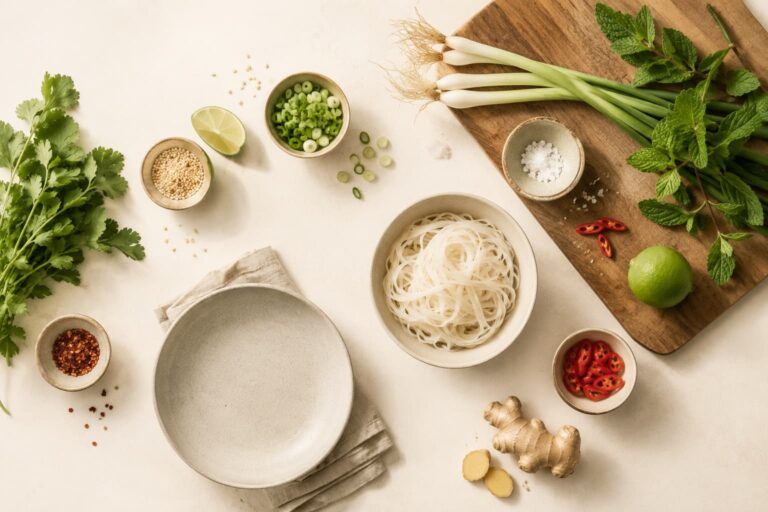
Finishes should brighten, not cover, the broth. Fresh herbs add aroma. Lime brings acidity. Bean sprouts add crunch. Sliced chili gives heat. Thin onions add sharpness. Green onions add freshness. Sauces should be used with care, especially if the broth already tastes balanced. Encourage tasting before adding anything. This keeps the soup from becoming too sweet or spicy too quickly. A fresh herb prep routine makes the finishing stage easy. Soup garnish ideas help the table feel abundant without overwhelming the bowl.
Easy Pho Broth Tips become more useful when you keep notes. Record the bones, vegetables, spices, timing, and seasoning. Notice which aroma feels strongest. Track whether the broth tasted balanced before garnishes. Save successful ratios. Freeze extra broth for future meals. Use it for pho, rice noodle bowls, or simple soup nights. A reliable broth makes quick meals feel special. For more support, connect this article with Vietnamese soup recipes, homemade pho steps, and Vietnamese noodle soups. Add rice noodle cooking tips, Vietnamese comfort food, homemade soup bowls, and pho toppings guide when refining the full meal. Simple Checklist for Successful Vegetable Fermentation keeps the planning mindset practical.

Leave a comment